
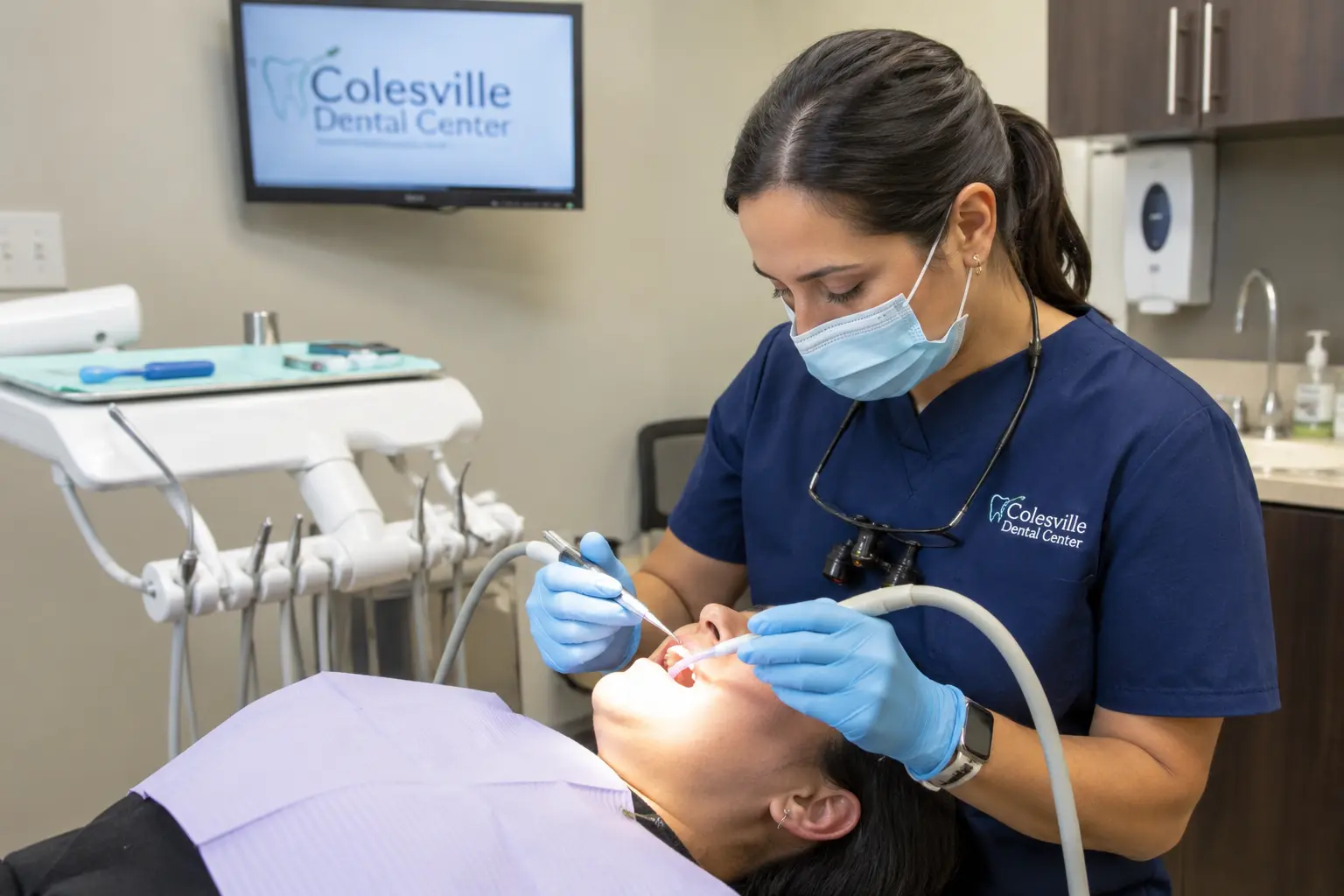
Brushing and flossing every day are important parts of keeping your teeth and gums healthy, but they cannot replace professional dental care. One of the most common questions patients have is: How often should you get a dental cleaning?
For many people, a dental cleaning every six months is a reasonable starting point. However, there is no single schedule that works for everyone. Your ideal cleaning frequency can depend on your oral health, history of cavities or gum disease, plaque and tartar buildup, daily oral hygiene, and recommendations from your dental professional.
Regular dental visits are important because some oral health problems can develop before you notice pain or other obvious symptoms. The CDC recommends regular professional dental care and at least a yearly dental checkup, with additional visits when recommended by your dental provider.
If you live in Silver Spring, MD, understanding when you need a professional cleaning can help you stay ahead of problems instead of waiting until your teeth or gums start hurting.
How Often Should You Get a Dental Cleaning?
For many healthy patients, visiting the dentist about every six months is a practical starting point for preventive care. However, your dentist may recommend a different interval based on your individual needs.
The important thing is not to assume that everyone needs exactly the same number of cleanings each year.
During a routine dental visit, your dental team can evaluate your teeth and gums, look for signs of cavities or gum disease, and determine whether your current preventive-care schedule is appropriate.
The CDC recommends regular professional cleanings and at least one dental checkup each year, while noting that some people may need additional visits based on their individual needs.
Why Isn’t Every Patient’s Cleaning Schedule the Same?
Your mouth changes over time, and your risk of dental problems can change too.
For example, someone with healthy gums, few cavities, and consistent brushing and interdental cleaning may have different preventive-care needs from someone who has a history of gum disease or frequent cavities.
Your dentist may consider factors such as:
- Your history of cavities
- Your gum health
- Plaque and tartar buildup
- Your daily brushing and flossing habits
- Tobacco use
- Certain medical conditions
- Your age and stage of life
- Previous dental treatments
- How well your current preventive-care routine is working
The goal is to determine a schedule that makes sense for your mouth rather than simply following a calendar.
What Happens During a Professional Dental Cleaning?
A professional dental cleaning is different from brushing your teeth at home.
Plaque is a sticky film of bacteria that develops on teeth. If it is not removed, it can harden into tartar, also called calculus. Once tartar has formed, regular brushing cannot remove it; professional dental treatment is needed.
A routine dental visit may include:
1. Examination of Your Teeth and Gums
Your dental professional checks your mouth for signs of cavities, gum problems and other oral health concerns.
2. Professional Cleaning
Plaque and tartar are removed from areas that can be difficult to clean effectively at home.
3. Polishing
Your teeth may be polished after cleaning to help remove certain surface stains and leave the tooth surfaces feeling smoother.
4. X-Rays When Appropriate
X-rays can help your dental team evaluate areas that cannot be fully seen during a visual examination. The need for X-rays depends on your individual circumstances rather than simply being required at every appointment.
At Colesville Dental Center, the Exam Cleaning Xrays service combines dental cleaning, X-rays and a comprehensive exam as part of its dental care offerings.

6 Signs You May Be Due for a Dental Cleaning
You don’t necessarily have to wait until your next scheduled appointment if something changes in your mouth.
Consider contacting a dentist if you notice:
1. Your gums bleed when you brush or floss
Occasional bleeding should not simply be ignored. Red, swollen or bleeding gums can be signs of gingivitis or other gum problems.
2. You have persistent bad breath
Bad breath that continues despite regular brushing and cleaning between your teeth may be worth discussing with a dental professional.
3. You can see tartar buildup
If you notice hard deposits along your teeth or gumline, brushing alone will not remove them.
4. Your teeth feel unusually sensitive
Sensitivity can have several possible causes, so a dental examination can help determine what is happening.
5. Your gums look red or swollen
Changes in the appearance of your gums can be an early sign of gum inflammation.
6. It has been a long time since your last dental visit
If you cannot remember your last professional cleaning or it has been significantly longer than the schedule your dentist recommended, it is a good idea to arrange an examination.
Who May Need Dental Cleanings More Frequently?
Some people may benefit from dental visits more frequently than twice a year.
Your dentist may recommend a shorter interval if you have a history of gum disease, frequent cavities, significant tartar buildup or other risk factors affecting your oral health.
For example, the CDC notes that smoking, diabetes, poor oral hygiene and certain other factors are associated with increased risk of gum disease.
Patients who have been diagnosed with periodontal disease may also require ongoing professional treatment and monitoring rather than relying only on routine preventive cleanings.
The right question is therefore not simply:
“Do I need a cleaning every six months?”
A better question is:
“What cleaning and examination schedule is appropriate for my oral health?”
Your dentist can help answer that question.
Can Brushing and Flossing Replace Professional Dental Cleanings?
No.
Daily oral hygiene is essential, but it serves a different purpose from professional dental care.
The American Dental Association recommends cleaning between your teeth because toothbrushes cannot effectively reach every surface between teeth. Interdental cleaning helps remove food debris and plaque before it hardens into tartar.
A good home routine should include:
- Brushing your teeth twice a day with fluoride toothpaste
- Cleaning between your teeth daily
- Limiting frequent consumption of sugary foods and drinks
- Following the personalized recommendations provided by your dentist
Professional cleanings and daily home care work together. One does not replace the other.
What Happens If You Skip Dental Cleanings?
Skipping dental visits does not automatically mean that you will develop a serious dental problem, but it can make it easier for problems to go unnoticed.
For example, plaque that remains on the teeth can contribute to gingivitis. If gum disease progresses, periodontitis can damage the tissues and bone supporting the teeth and can eventually contribute to tooth loss.
Routine dental visits give your dental team an opportunity to identify changes early and discuss appropriate treatment or prevention.
That may mean something as simple as improving your home-care routine—or it may mean addressing a cavity, gum problem or another dental concern before it becomes more complicated.
Does a Dental Cleaning Whiten Your Teeth?
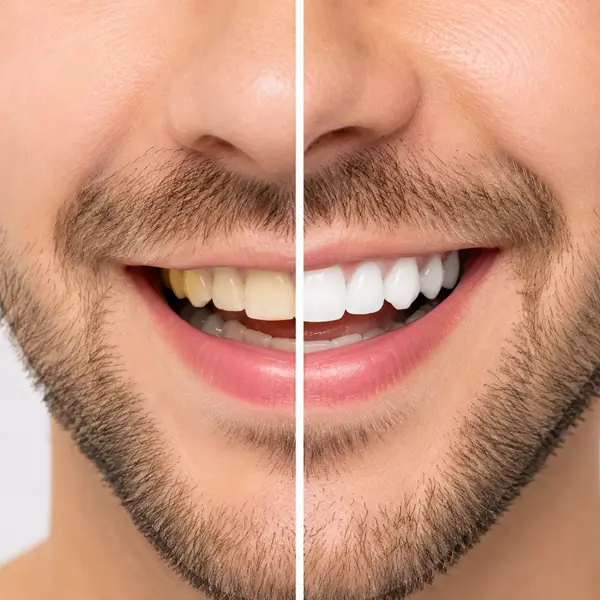
A professional cleaning can make your smile look cleaner by removing plaque, tartar and some surface staining.
However, a dental cleaning is not the same as professional teeth whitening.
If your primary goal is to make your teeth noticeably whiter, ask your dentist whether professional teeth whitening is appropriate for you.
Colesville Dental Center offers teeth whitening as one of its cosmetic dental services, including in-office whitening.
What If You Have a Cavity or Damaged Tooth?
A dental cleaning does not treat every dental problem.
During an examination, your dentist may identify a problem that requires another type of treatment.
Depending on your needs, treatment may include:
- Dental crowns to restore damaged teeth
- Bridges to replace missing teeth
- Dental implants to replace missing teeth
- Dentures when multiple or all teeth need replacement
- Tooth extraction when a tooth cannot be predictably saved
- Braces or Invisalign when orthodontic treatment is appropriate
- Veneers for selected cosmetic concerns
The best treatment depends on the condition of your teeth, gums and overall oral health.
How to Keep Your Teeth Cleaner Between Dental Visits
Your habits between appointments matter.
Brush twice a day
Use fluoride toothpaste and spend enough time cleaning all tooth surfaces.
Clean between your teeth every day
Floss or use another interdental cleaner that works for you. The ADA notes that cleaning between teeth helps remove plaque from areas a toothbrush cannot adequately reach.
Pay attention to changes
Do not wait for your next routine visit if you develop persistent pain, swelling, bleeding gums, sensitivity or another noticeable change.
Keep your recommended appointments
Regular visits allow your dental team to monitor your oral health instead of only treating problems once they become uncomfortable.
How Often Should Children Get Dental Cleanings?
Children also need regular professional dental care, but their schedule should be based on their age, dental development and individual needs.
Parents should not wait until a child complains of tooth pain before arranging dental care. Regular dental visits can help children develop good oral-health habits while allowing dental professionals to monitor developing teeth and identify potential problems.
If you are looking for a family dentist in Silver Spring, discuss an appropriate preventive-care schedule with your child’s dental professional.
When Should You Schedule Your Next Dental Cleaning?
If you are healthy and have been following a routine schedule, your dentist may recommend a cleaning around every six months.
But if you have gum disease, frequent cavities, heavy tartar buildup, dental concerns or another risk factor, you may need to visit more often.
And if it has been much longer than six months since your last dental visit, don’t worry about trying to determine the perfect schedule yourself. Start by scheduling an examination so your dentist can evaluate your current oral health and recommend the next step.
Dental Cleaning in Silver Spring, MD
Regular dental care is one of the simplest ways to stay proactive about your oral health.
At Colesville Dental Center, patients can receive comprehensive dental care in Silver Spring, including dental exams, professional cleanings and X-rays. The practice also offers restorative, cosmetic and orthodontic services, allowing patients to discuss different treatment options in one dental office.
The office is located at 8737 Colesville Road 301, Silver Spring, MD 20910. Colesville Dental Center also accepts most dental insurance plans and provides financing options for patients who need help managing treatment costs.
If you are due for a cleaning or cannot remember when your last dental examination was, consider scheduling an appointment and letting a dental professional help you determine the right preventive-care schedule.
Frequently Asked Questions
How often should you get a dental cleaning?
For many people, a cleaning every six months is a reasonable starting point, but the ideal schedule depends on your oral health and individual risk factors. Your dentist may recommend more frequent visits when needed.
Is getting your teeth cleaned every six months enough?
It can be appropriate for many patients, but it is not a universal rule. People with certain dental or gum-health concerns may need more frequent professional care.
Can I skip a dental cleaning if my teeth feel fine?
It is better not to rely on pain as a signal that everything is healthy. Some dental and gum problems can develop without obvious symptoms. Routine dental examinations help identify problems earlier.
Can brushing and flossing replace a dental cleaning?
No. Brushing and interdental cleaning are essential for daily plaque control, but professional care is needed to remove hardened tartar and evaluate your oral health.
How do I know if I need a dental cleaning?
If it has been a long time since your last visit, or you have bleeding gums, visible tartar, persistent bad breath, sensitivity or other changes in your mouth, contact a dentist for an evaluation.
Does dental cleaning hurt?
Many routine cleanings are well tolerated, although some patients may experience sensitivity or discomfort depending on their oral condition. Tell your dental professional if you have sensitive teeth or dental anxiety so your care can be adjusted appropriately.
Does a dental cleaning remove tartar?
Yes. Professional dental cleaning can remove tartar that cannot be removed effectively with ordinary brushing because hardened tartar requires professional treatment.
Can a dental cleaning make my teeth whiter?
Cleaning can remove certain surface stains and buildup, which may make teeth appear cleaner and brighter. Professional whitening is a separate cosmetic treatment designed specifically to lighten tooth color.
When should I see a dentist instead of waiting for my next cleaning?
Contact a dentist sooner if you experience significant tooth pain, facial or gum swelling, persistent bleeding, a loose tooth, a broken tooth or another sudden change in your oral health.
Where can I get a dental cleaning in Silver Spring, MD?
Colesville Dental Center provides dental cleaning, examinations and X-rays at its office at 8737 Colesville Road 301, Silver Spring, MD.
Take the Next Step Toward a Healthier Smile
You do not have to wait until a dental problem becomes painful before seeking care. Regular examinations and professional cleanings can help you stay ahead of problems and maintain your teeth and gums over time.
If you are due for a dental cleaning, contact Colesville Dental Center in Silver Spring, MD to schedule your next visit.